Sign up free, get 10,000 credits

Starter credits added when you sign up.

Sign up and create 8 images for free

Starter credits added when you sign up.
LoRA เธœเธนเน‰เนƒเธŠเน‰

SD
เน€เธชเธทเน‰เธญเธœเน‰เธฒ

Junihitoe (ๅไบŒๅ˜), SD

#เธŠเธธเธ”เธเธตเนˆเธ›เธธเนˆเธ™เธ”เธฑเน‰เธ‡เน€เธ”เธดเธก#เธเธดเน‚เธกเน‚เธ™
Junihitoe (ๅไบŒๅ˜), SD - AI Model cover image

Sign up free, get 10,000 credits

Starter credits added when you sign up.

Sign up and create 8 images for free

Starter credits added when you sign up.

เธญเธฑเธ›เน‚เธซเธฅเธ”เน€เธกเธทเนˆเธญ
10 เธ.เธข. 2566 01:25
เธเธฒเธฃเนƒเธŠเน‰เธ‡เธฒเธ™
9.5k
เน„เธ”เน‰เธฃเธฑเธš
200,051
เธฃเธตเธงเธดเธง
เธขเธญเธ”เน€เธขเธตเนˆเธขเธกย  (4)
เธ„เธตเธขเนŒเน€เธงเธดเธฃเนŒเธ”

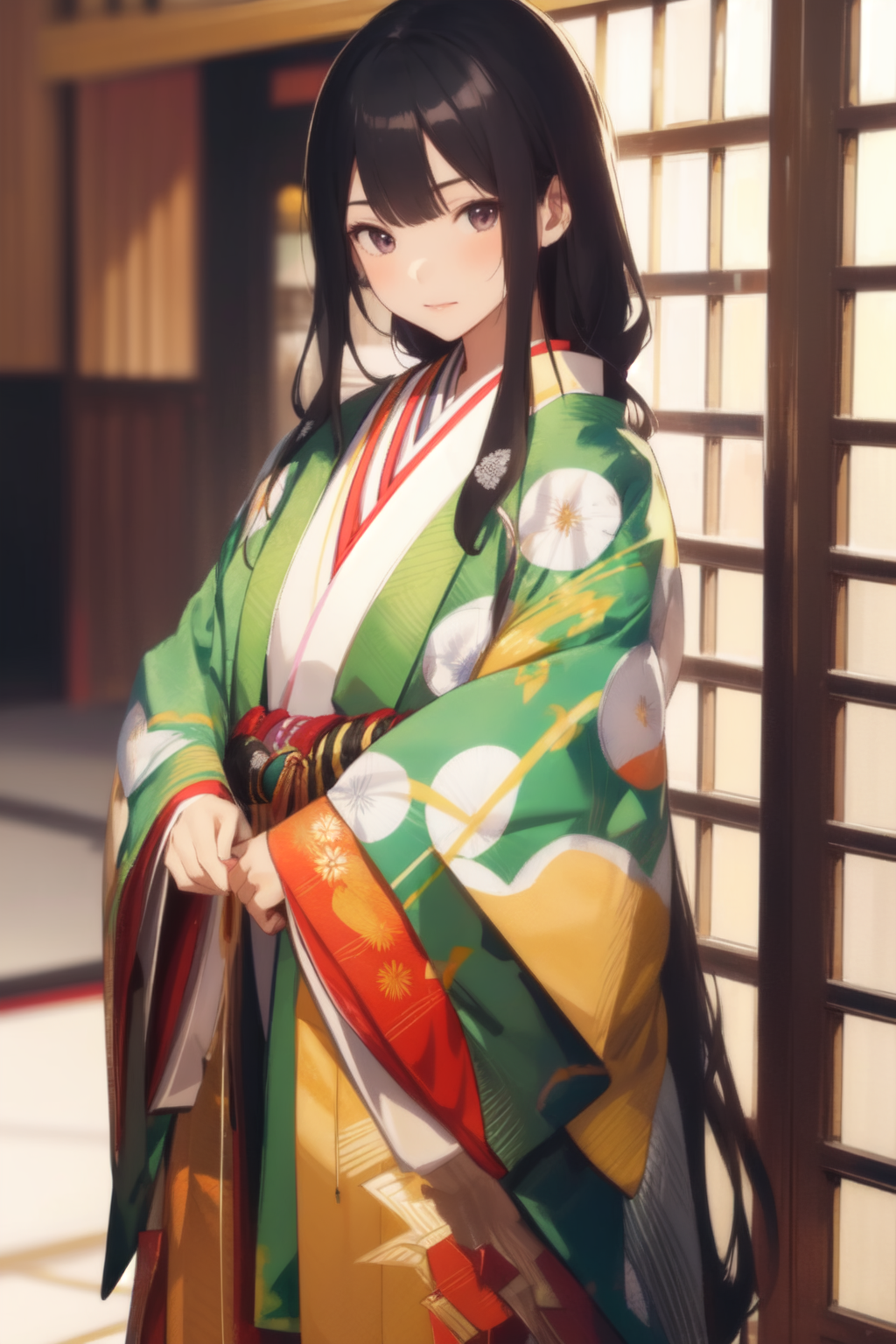
Junihitoe, Twelve-layered ceremonial kimono, multilayer structure, Sleeve spread, long kimono, plush fabric,

เธชเธดเธ—เธ˜เธดเนŒ
  • Allow image generation & sharing
  • เธญเธ™เธธเธเธฒเธ•เนƒเธซเน‰เธœเธนเน‰เนƒเธŠเน‰เธ”เธฒเธงเธ™เนŒเน‚เธซเธฅเธ”เน‚เธกเน€เธ”เธฅเธ‚เธญเธ‡เธ„เธธเธ“
  • เน€เธŠเธดเธ‡เธžเธฒเธ“เธดเธŠเธขเนŒ

Recommended LoRAs

เธ„เธณเธญเธ˜เธดเธšเธฒเธข

๏ผณDๅ‘ใ‘ใงใ™ใ€‚SDXLใจpony็‰ˆใฏๅˆฅ้€”ไฝœๆˆใ—ใฆๅ…ฌ้–‹ใ—ใฆใ„ใพใ™ใ€‚ red clothes, purple clothes,ใชใฉใ‚’ไฝฟใฃใฆๅไบŒๅ˜ๅ…จไฝ“ใฎใ‚ซใƒฉใƒผใƒชใƒณใ‚ฐใ‚’่ชฟๆ•ดใงใใพใ™ใ€‚ You can adjust the overall coloring of Juni-hitoe using red clothes, purple clothes, etc.

ใƒปWhat is Juni-Hitoe?

The "Junihitoe" is the formal attire worn by noblewomen during the late Heian period in Japan, particularly for ceremonies and events at the imperial court and palace. The Junihitoe consists of seven layers of clothing: "hakama," "hitoe," "itsutsuginu," "karaginu," "mo," "kariginu," and "suso." The "hakama" is worn around the legs, the "hitoe" is a single-layered robe, the "itsutsuginu" involves layering five robes of the same design, the "karaginu" is worn over the "itsutsuginu," the "mo" is slightly shorter than the "karaginu," and the "suso" is worn from the waist down.

The colors and patterns of the Junihitoe could vary depending on the season and occasion, but vibrant colors like red and purple were generally favored. The combination of colors and the order in which they were layered held significance and conveyed a sense of aesthetics, allowing observers to understand the wearer's taste and mood. Wearing the Junihitoe allowed noblewomen to express their status and beauty.

While the Junihitoe is a traditional Japanese attire that has evolved over time to match the eras and trends, its opulence and delicacy continue to captivate many people even today.

Wearing the Junihitoe in modern times is quite rare, limited to very specific occasions such as imperial enthronement ceremonies or performances of traditional Japanese court music (gagaku).

However, there is significant interest in the Junihitoe, and individuals can experience wearing it through commemorative photo studios and workshops. Furthermore, the colors and patterns of the Junihitoe have influenced contemporary kimono fashion.

The Junihitoe is thus one of Japan's traditional cultural elements that continues to be passed down to the present day.

เธ„เธญเธกเน€เธกเธ™เธ•เนŒ1

เธœเธฅเธ‡เธฒเธ™เน‚เธ”เธข Junihitoe (ๅไบŒๅ˜), SD