Get in touch
Close

Contacts

USA, New York - 1060
Str. First Avenue 1

800 100 975 20 34
+ (123) 1800-234-5678

neuros@mail.co

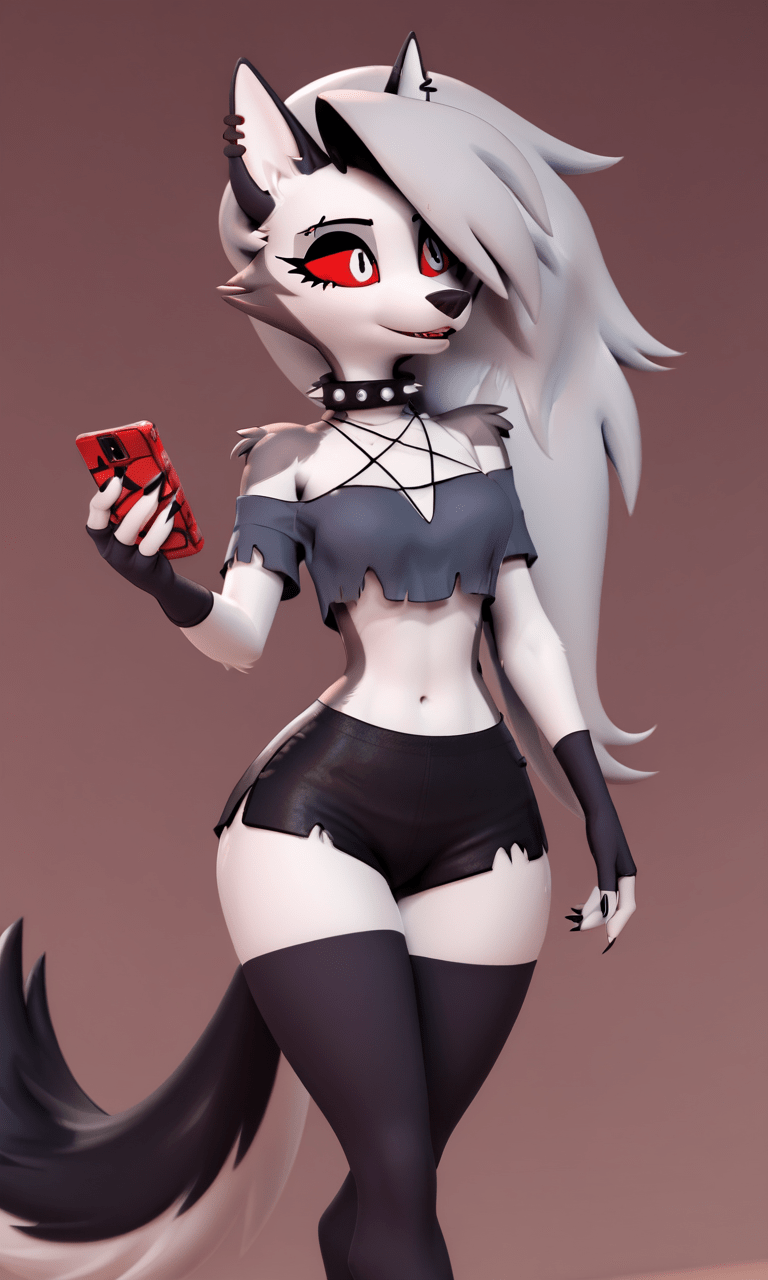
3D Image Generator

Create breathtaking 3D images easily with PixAI.ART’s 3D Image Generator. Unleash your creativity with a range of customizable templates and tools.

3D Image Generator

Create breathtaking 3D images easily with PixAI.ART’s 3D Image Generator. Unleash your creativity with a range of customizable templates and tools.
Pixai

aboutWhat is a 3D image generator?

A 3D image generator is a tool that creates three-dimensional visual representations using computer algorithms and rendering techniques. By leveraging advanced modeling software and artificial intelligence, these generators can produce realistic or stylized 3D images from various inputs, such as sketches or parameters set by the user. 3D image generation opens up new avenues for creativity in fields like gaming, animation, architecture, and virtual reality, allowing creators to visualize concepts in immersive ways.

featuresHow Does a 3D Image Generator Work?

A 3D image generator is a tool that creates three-dimensional visuals using algorithms and computer graphics techniques. It constructs 3D models by manipulating shapes, textures, and lighting to simulate depth and perspective. Users can input parameters or use presets to guide the design process, allowing for the generation of realistic or stylized images. These generators often utilize rendering engines to produce the final output, which can be a static image or an interactive model.

The Technology Behind AI Art

3D image generators utilize sophisticated algorithms and modeling techniques to create three-dimensional visuals. They rely on computer graphics frameworks, physics simulations, and deep learning methods to produce realistic textures, lighting, and shapes. By processing data from existing models and scenes, these tools can generate new 3D images that replicate real-world objects and environments, often incorporating user inputs for customization.
01
Role of 3D Image Generators in Visual Production 3D image generators leverage advanced algorithms and modeling techniques to produce realistic three-dimensional visuals. Utilizing computer graphics frameworks, physics simulations, and deep learning, these tools create intricate textures, lighting, and shapes. By processing data from existing models and allowing for user customization, they can replicate real-world objects and environments, enhancing visual content creation.
02
Impact of 3D Image Generators on Creative Industries 3D image generators are revolutionizing creative industries by enabling artists and designers to enhance their workflows and expand their creative horizons. The implications include: – Increased Efficiency: Streamline the design process, allowing creators to focus on artistry and innovation.- Enhanced Realism: Produce lifelike visuals that can elevate storytelling in gaming, film, and virtual reality.- Accessibility: Empower non-professionals with user-friendly tools to create intricate designs without extensive technical knowledge.

Frequently Asked Questions

You can explore various tools for creating 3D images with a 3D image generator. Some popular options include Blender for detailed modeling and animation, Daz 3D for character creation, and Tinkercad for beginners. Additionally, you can consider platforms like SketchUp for architectural designs and Unity for interactive 3D applications. Simply choose the tool that best fits your project needs and start bringing your ideas to life!
When looking for a high-quality 3D image generator to enhance the creative process, consider features such as user-friendly interfaces, a variety of customizable templates, real-time rendering capabilities, high-resolution output, and compatibility with different file formats. Additional features like an extensive library of textures and materials, advanced lighting options, the ability to manipulate camera angles, and support for animation can also significantly improve the creative experience. Integration with other software tools and regular updates to include new functionalities or assets are also important for ongoing creative exploration.
When selecting a suitable 3D image generator for specific design needs, users commonly face challenges such as determining the software’s ease of use and learning curve, ensuring compatibility with existing design tools, assessing the quality and realism of generated images, evaluating the range of customizable features and templates available, and considering the cost versus the functionality provided. Additionally, users may struggle with understanding the software’s support and community resources, as well as the system requirements for optimal performance.


©2025. All rights reserved.