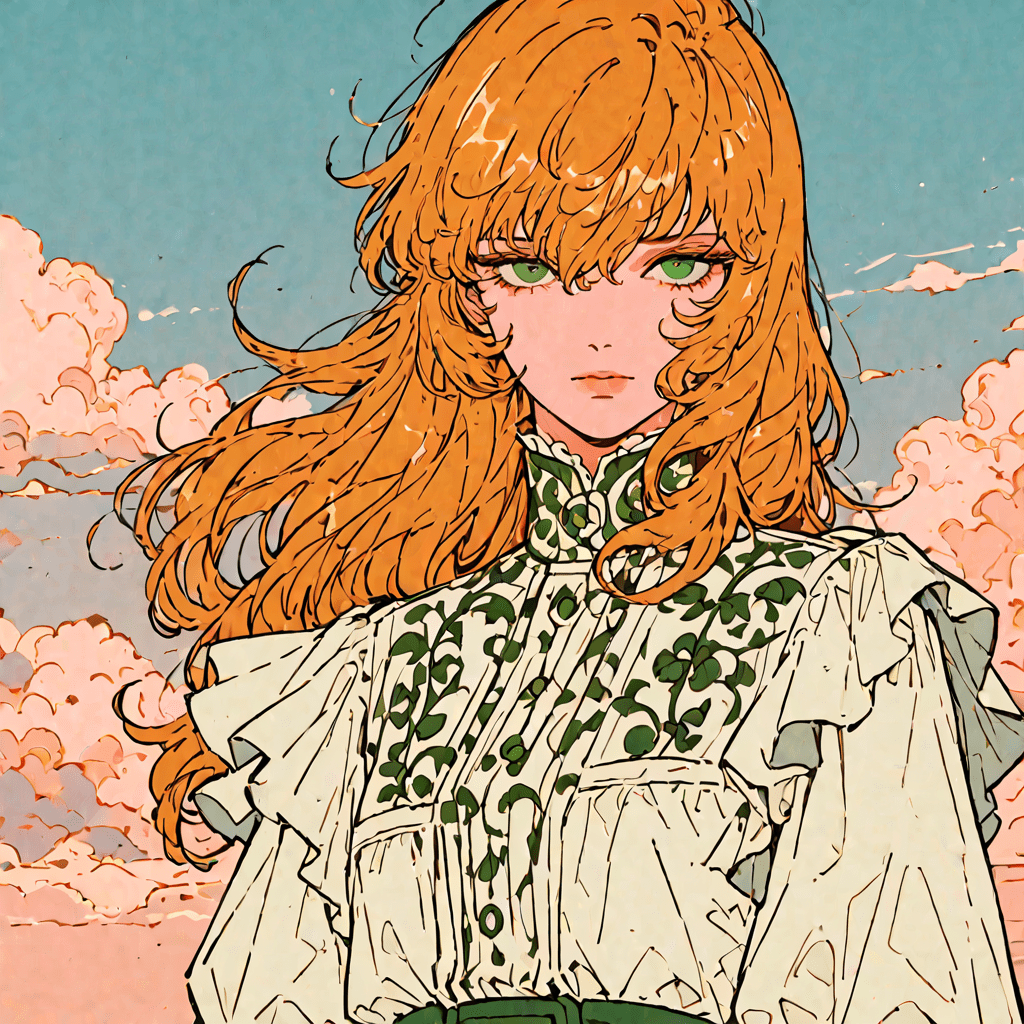
You can easily apply a 70s filter effect using AI techniques by using our specialized photo editing software. Simply upload your photo and choose the 70s filter option to automatically enhance your image with vintage colors and textures reminiscent of that era.
To achieve a retro 70s filter effect in your images using AI techniques, consider employing color grading algorithms to create warm tones, adjusting contrast for a softer look, and utilizing noise reduction tools to mimic the graininess of vintage photos. Additionally, using style transfer methods can help apply retro aesthetics from iconic 70s images onto your work, while texture overlays can provide that classic film feel. Image enhancement tools can also adjust saturation and brightness to replicate the nostalgic look characteristic of that era.
When selecting photo editing software, especially for generating a 70s filter effect using AI technologies, consider the following key aspects:1. **AI Capabilities**: Ensure the software utilizes advanced AI algorithms to accurately recreate the vintage aesthetic of the 70s, including color tones, grain, and contrast.2. **Ease of Use**: Look for intuitive interfaces that allow users to easily apply and customize effects without a steep learning curve.3. **Customization Options**: Check if the tool provides options to tweak parameters, such as brightness, saturation, and vignette, to fine-tune the 70s effect to your liking.4. **Quality of Output**: Evaluate the final image quality produced by the software to ensure it meets your expectations, particularly in terms of resolution and detail preservation.5. **Compatibility**: Confirm that the software is compatible with various file formats and offers seamless integration with your existing workflow or other editing tools you may use.6. **User Reviews and Community**: Research user feedback and community discussions for real-world insights on the software’s performance, reliability, and the effectiveness of its AI-generated filters.7. **Trial or Demo Version**: Consider using a trial or demo version to experience the software firsthand and determine if it suits your specific editing needs before making a purchase.By carefully evaluating these points, you can select photo editing software that maximizes your ability to create authentic 70s-inspired images through AI technology.
When selecting photo editing software, especially for generating a 70s filter effect using AI technologies, consider the following key aspects:1. **AI Capabilities**: Ensure the software utilizes advanced AI algorithms to accurately recreate the vintage aesthetic of the 70s, including color tones, grain, and contrast.2. **Ease of Use**: Look for intuitive interfaces that allow users to easily apply and customize effects without a steep learning curve.3. **Customization Options**: Check if the tool provides options to tweak parameters, such as brightness, saturation, and vignette, to fine-tune the 70s effect to your liking.4. **Quality of Output**: Evaluate the final image quality produced by the software to ensure it meets your expectations, particularly in terms of resolution and detail preservation.5. **Compatibility**: Confirm that the software is compatible with various file formats and offers seamless integration with your existing workflow or other editing tools you may use.6. **User Reviews and Community**: Research user feedback and community discussions for real-world insights on the software’s performance, reliability, and the effectiveness of its AI-generated filters.7. **Trial or Demo Version**: Consider using a trial or demo version to experience the software firsthand and determine if it suits your specific editing needs before making a purchase.By carefully evaluating these points, you can select photo editing software that maximizes your ability to create authentic 70s-inspired images through AI technology.