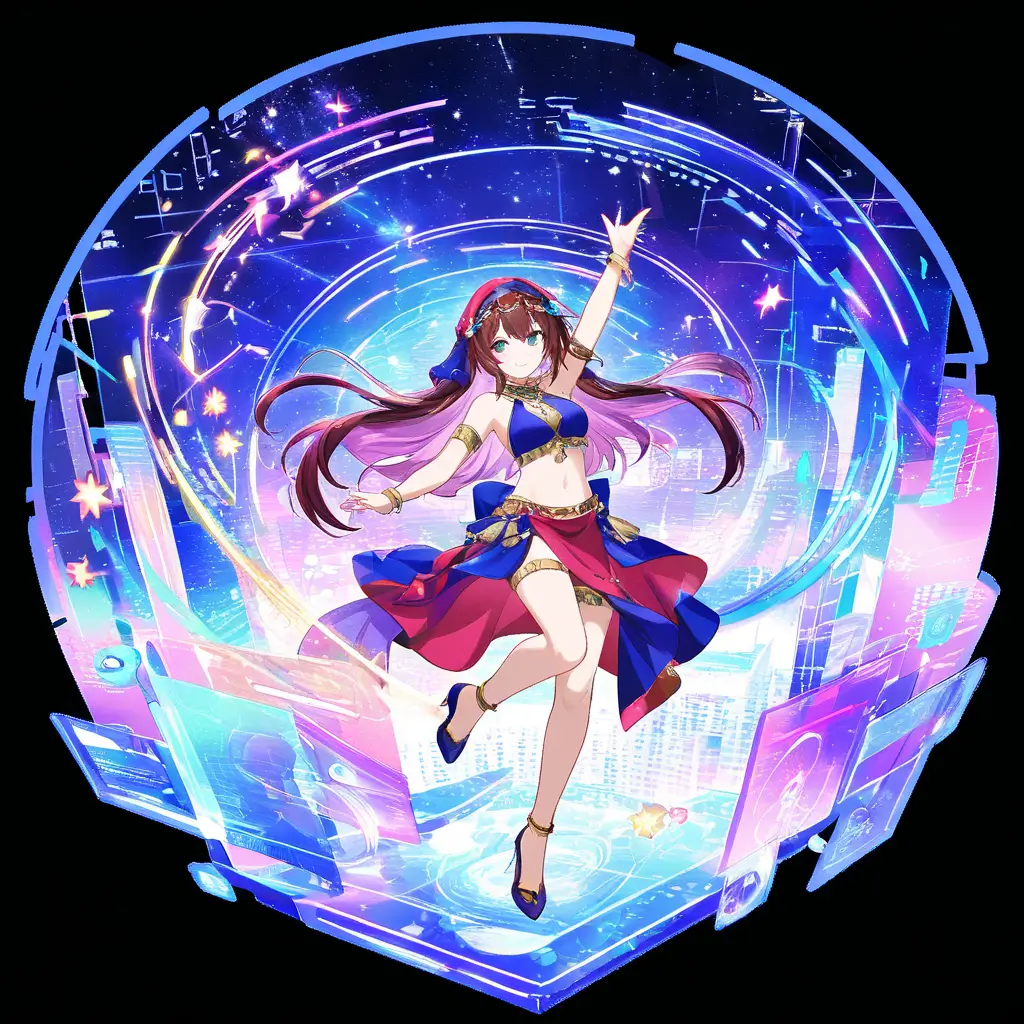
You can create an AI dancer that performs choreography by utilizing AI animation software. Start by designing your character and then input the choreography you want it to perform. The AI will analyze the movements and generate a lifelike performance based on the data provided.
To design an AI dancer capable of interpreting and improvising choreography, follow these steps: 1. **Data Collection**: Gather a diverse dataset of dance movements, styles, and routines. This should include videos, motion capture data, and annotations for various dance techniques.2. **Model Selection**: Choose an AI model suitable for interpreting movement and choreography, such as a neural network designed for video analysis or generative models like GANs for creating new movements.3. **Training**: Train the model using the collected data, focusing on the nuances of different dance styles. Ensure the AI learns to recognize patterns, styles, and the rhythm of music.4. **Choreography Interpretation**: Implement algorithms that allow the AI to analyze and interpret existing choreography, breaking it down into fundamental movements that can be recombined.5. **Improvisation Mechanism**: Develop features that enable the AI to improvise by blending learned movements with real-time input, such as music tempo or the presence of other dancers.6. **User Interface**: Create an interface that allows users to input parameters or select styles for the AI dancer, enhancing user interactivity.7. **Testing and Refinement**: Test the AI with various music and choreography inputs, refining its responses to improve the quality of the performance and the flow of improvisation.8. **Feedback Loop**: Incorporate user feedback and performance analysis to continuously improve the AI dancer’s ability to interpret and improvise, ensuring it remains adaptable and innovative.
To enhance the improvisational skills of an AI dancer during live performances, several techniques can be employed:1. **Machine Learning Algorithms**: Implement advanced machine learning algorithms that allow the AI to learn from past performances and adapt its movements in real-time based on audience reactions and musical cues.2. **Improvisational Training**: Use neural networks trained specifically on various dance styles and improvisation techniques. This training can help the AI understand patterns and develop its unique style of dance.3. **Real-Time Feedback Systems**: Integrate sensors and cameras that provide real-time feedback on the performance environment. This data can help the AI adjust its movements to better fit the mood and energy of the performance.4. **Collaboration with Human Dancers**: Allow the AI to interact and collaborate with human dancers during performances. This can create a dynamic exchange that enhances creativity and improvisation.5. **Choreographed Variations**: Develop a library of choreographed movements that the AI can mix and match spontaneously, providing a framework while still allowing for improvisational freedom.6. **Emotion Recognition**: Implement emotion recognition technology to analyze audience reactions, enabling the AI to modify its performance dynamically based on the emotional atmosphere.7. **Gesture and Motion Analysis**: Utilize gesture recognition to observe and learn from human dancers’ improvisational techniques, incorporating learned behaviors into the AI’s performance.By combining these techniques, AI dancers can improve their improvisational skills, making live performances more engaging and fluid.
To enhance the improvisational skills of an AI dancer during live performances, several techniques can be employed:1. **Machine Learning Algorithms**: Implement advanced machine learning algorithms that allow the AI to learn from past performances and adapt its movements in real-time based on audience reactions and musical cues.2. **Improvisational Training**: Use neural networks trained specifically on various dance styles and improvisation techniques. This training can help the AI understand patterns and develop its unique style of dance.3. **Real-Time Feedback Systems**: Integrate sensors and cameras that provide real-time feedback on the performance environment. This data can help the AI adjust its movements to better fit the mood and energy of the performance.4. **Collaboration with Human Dancers**: Allow the AI to interact and collaborate with human dancers during performances. This can create a dynamic exchange that enhances creativity and improvisation.5. **Choreographed Variations**: Develop a library of choreographed movements that the AI can mix and match spontaneously, providing a framework while still allowing for improvisational freedom.6. **Emotion Recognition**: Implement emotion recognition technology to analyze audience reactions, enabling the AI to modify its performance dynamically based on the emotional atmosphere.7. **Gesture and Motion Analysis**: Utilize gesture recognition to observe and learn from human dancers’ improvisational techniques, incorporating learned behaviors into the AI’s performance.By combining these techniques, AI dancers can improve their improvisational skills, making live performances more engaging and fluid.