Get in touch
Close

Contacts

USA, New York - 1060
Str. First Avenue 1

800 100 975 20 34
+ (123) 1800-234-5678

neuros@mail.co

Ai Generated Planets Creator

Explore breathtaking AI-generated planets with PixAI.ART and embark on a creative journey through a digital cosmos.

Ai Generated Planets Creator

Explore breathtaking AI-generated planets with PixAI.ART and embark on a creative journey through a digital cosmos.
Pixai

aboutWhat is an ai generated planet?

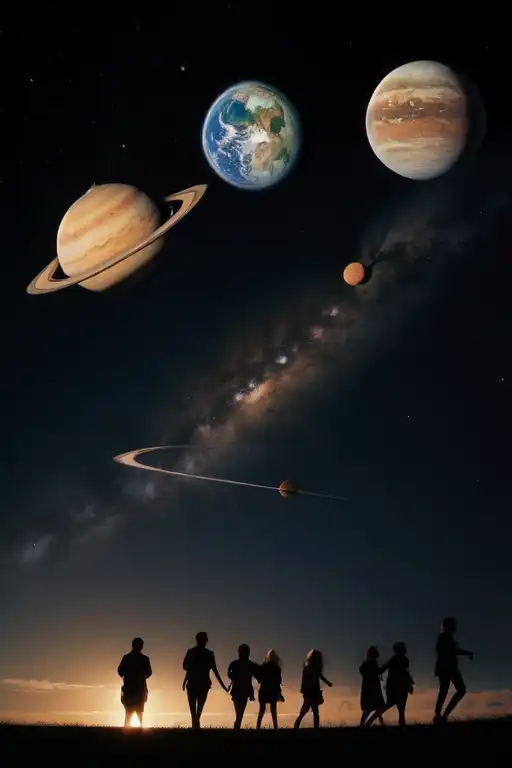
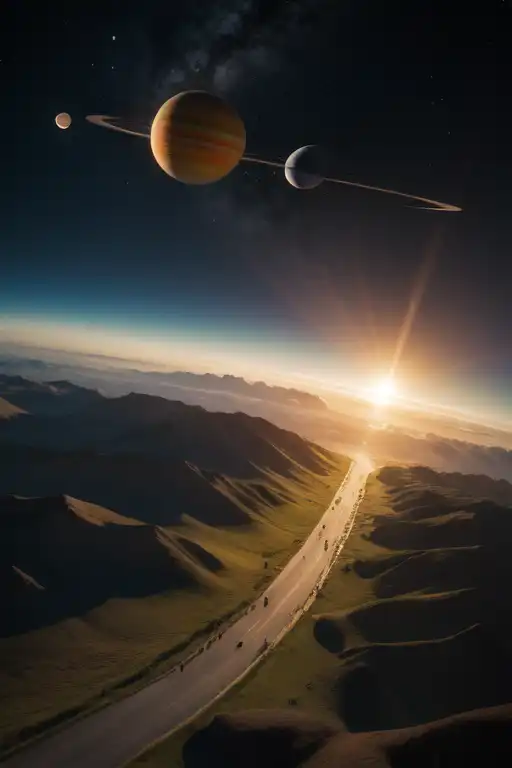
An AI-generated planet is a digital representation of a fictional celestial body created using artificial intelligence techniques. By leveraging advanced algorithms and machine learning, these systems can generate diverse landscapes, atmospheres, and planetary features, leading to unique and imaginative worlds. AI-generated planets are often used in video games, virtual reality environments, and scientific simulations, offering users the opportunity to explore and interact with environments that blend creativity and realism.

featuresHow Does an AI Generated Planet Work?

An AI-generated planet is created using algorithms and machine learning to simulate planetary formation and characteristics. By analyzing data on celestial bodies, these tools can generate realistic landscapes, atmospheres, and celestial phenomena, allowing users to visualize imaginative and scientifically inspired planetary environments. AI enhances creativity by producing unique and diverse planetary designs that are not limited by real-world constraints.

The Technology Behind AI Art

AI-generated planets utilize advanced algorithms, including procedural generation techniques and machine learning models, to create realistic and imaginative planetary visuals. These systems analyze vast datasets of astronomical images and simulations to learn the characteristics of various celestial bodies, allowing them to produce unique planet designs that mimic the complexity and diversity of real-world planets.
01
Role of AI in Planetary Visualization AI-generated planets leverage advanced algorithms and machine learning to create realistic and imaginative celestial visuals. By analyzing extensive datasets of astronomical images, these systems learn the features of different planetary bodies, enabling them to produce unique designs that reflect the complexity and diversity found in the universe.
02
Technological Advances in Planetary Visualization The integration of AI in planetary visualization represents a significant leap in both artistic expression and scientific representation. Key advancements include:- Data-Driven Insights: AI processes vast amounts of astronomical data to inform the visual characteristics of celestial bodies.- Realism and Imagination: Algorithms blend factual data with creative design, resulting in both accurate and fantastical portrayals of planets.- Interactive Experiences: AI tools enable users to interact with and explore dynamic planetary models, enhancing educational and entertainment value.

Frequently Asked Questions

You can create stunning visuals of AI-generated planets by using our AI art generator. Simply provide a description of the planet you envision, or upload an existing image, and let the AI transform your ideas into breathtaking planetary visuals.
To enhance the realism of AI-generated planetary landscapes using PixAI.art, consider the following techniques:1. **High-Resolution Textures**: Utilize detailed textures that reflect the unique characteristics of the planetary surface, such as rocky terrain, water bodies, or atmospheric elements.2. **Lighting Effects**: Experiment with various lighting conditions, including different angles, intensities, and colors, to create more dynamic and believable environments.3. **Color Grading**: Adjust the color palette to mimic the natural tones found on similar celestial bodies. Use techniques such as saturation adjustments and color mapping to improve the overall visual impact.4. **Layering Elements**: Incorporate multiple layers with varying opacities and blending modes to add depth to the landscape, simulating the complexity found in natural scenes.5. **Atmospheric Effects**: Create realistic atmospheres by adding elements like clouds, haze, or auroras, which can contribute to the sense of scale and environment.6. **Foreground Interest**: Include elements in the foreground, such as rocks, plants, or artificial structures, to provide scale and enhance the three-dimensionality of the scene.7. **Post-Processing Techniques**: Utilize post-processing tools to refine details, adjust contrasts, and add effects such as sharpening or blur to accentuate specific focal points in your landscape.By applying these techniques, you can significantly improve the realism of your AI-generated planetary landscapes.
To make your AI-generated cosmic visuals more engaging and interactive, consider incorporating elements like dynamic animations, interactive layers that allow users to explore different aspects of the visuals, and soundscapes that complement the imagery. You can also experiment with varying color schemes and textures that respond to user input, or integrate storytelling elements that guide viewers through the cosmic landscape. Additionally, utilizing social sharing features can encourage interaction and discussion around the visuals.

©2025. All rights reserved.