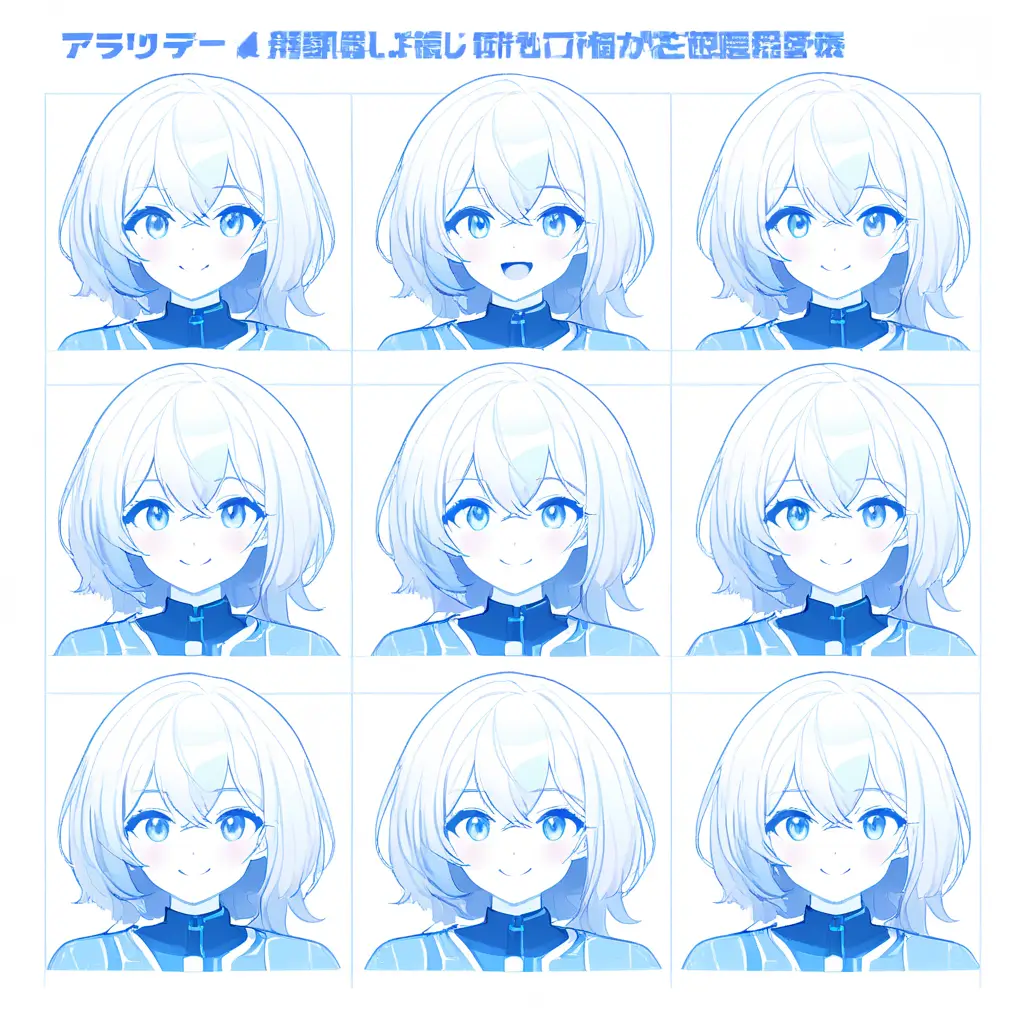
You can create realistic human images using our AI human generator by simply entering a description of the person you want to create or uploading a reference image. The AI will process your input and generate a lifelike human image that matches your specifications.
To utilize an AI human generator effectively and produce lifelike images of people, consider the following best practices: 1. **Provide Clear Prompts**: Use specific and detailed descriptions of the desired image, including physical attributes, clothing, and setting. This helps the AI understand your vision more clearly.2. **Use High-Quality References**: If possible, provide reference images that capture the style or features you want. This can guide the AI in producing more accurate results.3. **Experiment with Variations**: Generate multiple iterations with slight variations in prompts to explore different aspects of the desired image and find the best representation.4. **Adjust Parameters**: Familiarize yourself with the tool’s adjustment settings, such as style, realism, and complexity, to fine-tune the output according to your preferences.5. **Iterative Feedback**: Review the generated images critically and refine your prompts based on what works and what doesn’t, allowing for an iterative improvement process.6. **Stay Ethical**: Be mindful of ethical considerations, such as avoiding the creation of deceptive imagery or representations of real individuals without permission.7. **Understand Limitations**: Recognize the AI’s limitations in capturing certain nuances of human expression or cultural contexts, and approach the results with a critical eye.By following these best practices, you can leverage the capabilities of an AI human generator to create stunning and lifelike images.
To ensure that the AI human generator effectively captures distinct facial expressions and emotional nuances, you can use the following techniques:1. **Reference Images**: Provide clear reference images that showcase the desired emotions and expressions. This will help the AI understand the specific details you want to capture.2. **Detailed Prompts**: Use descriptive prompts when inputting your requests. Include specifics about the expression, such as “a joyful smile” or “a thoughtful frown.”3. **Adjust Parameters**: Experiment with the tool’s settings or parameters if available. Tweak features related to mood, atmosphere, or intensity to refine the character’s emotions.4. **Iterative Feedback**: Generate multiple iterations, providing feedback on each to guide the AI towards the desired expressions. This allows you to fine-tune the output progressively.5. **Contextual Elements**: Incorporate contextual elements that influence emotion, such as surroundings, lighting, or actions, which can help convey the character’s feelings more accurately.By applying these techniques, you can enhance the likelihood of achieving the distinct facial expressions and emotional nuances you aim for in your characters.
To ensure that the AI human generator effectively captures distinct facial expressions and emotional nuances, you can use the following techniques:1. **Reference Images**: Provide clear reference images that showcase the desired emotions and expressions. This will help the AI understand the specific details you want to capture.2. **Detailed Prompts**: Use descriptive prompts when inputting your requests. Include specifics about the expression, such as “a joyful smile” or “a thoughtful frown.”3. **Adjust Parameters**: Experiment with the tool’s settings or parameters if available. Tweak features related to mood, atmosphere, or intensity to refine the character’s emotions.4. **Iterative Feedback**: Generate multiple iterations, providing feedback on each to guide the AI towards the desired expressions. This allows you to fine-tune the output progressively.5. **Contextual Elements**: Incorporate contextual elements that influence emotion, such as surroundings, lighting, or actions, which can help convey the character’s feelings more accurately.By applying these techniques, you can enhance the likelihood of achieving the distinct facial expressions and emotional nuances you aim for in your characters.