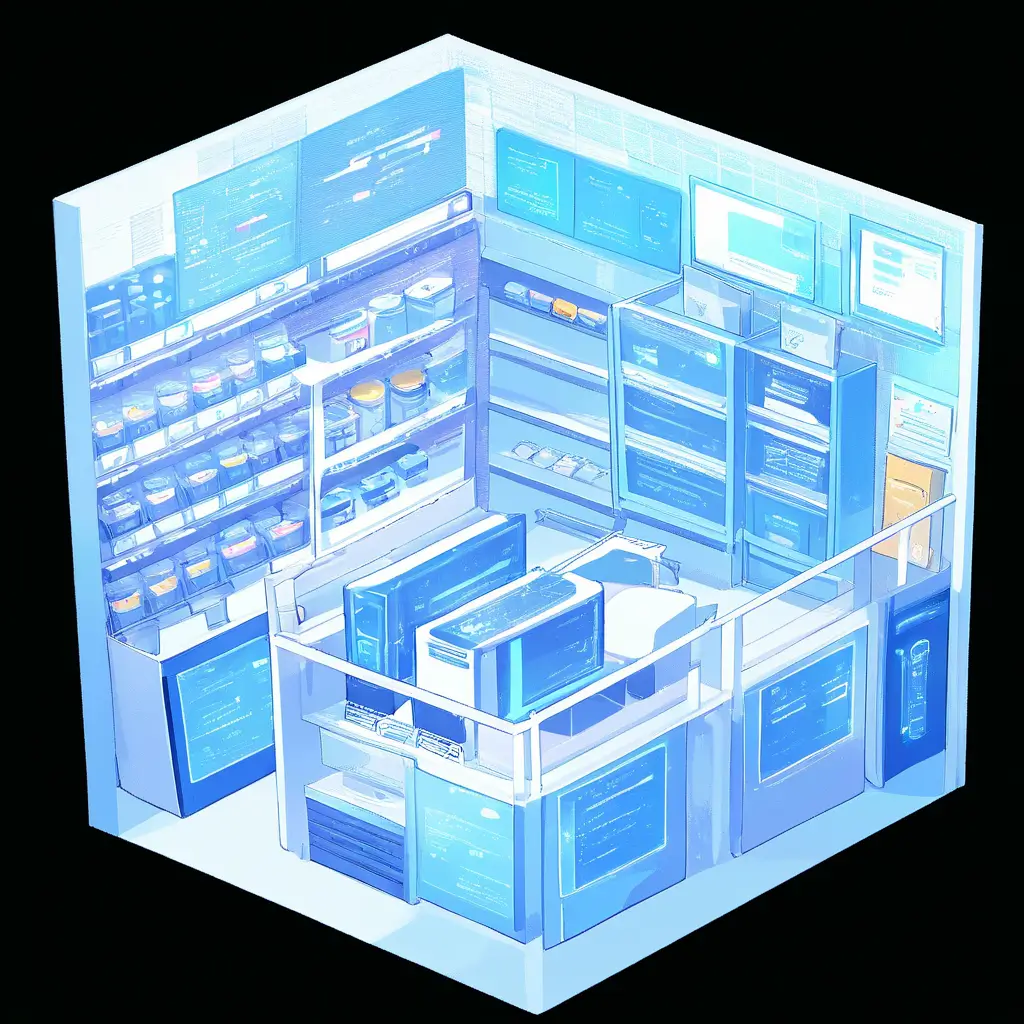
Warehouse AI can significantly improve inventory management and efficiency by automating stock tracking, forecasting demand, and optimizing storage solutions. It can analyze real-time data to manage inventory levels accurately, reduce human error, and streamline order fulfillment processes. By implementing AI-driven systems, warehouses can achieve higher accuracy in stock availability, minimize overstock and stockouts, and enhance overall operational performance.
Warehouse AI significantly reduces operational costs by automating various processes, optimizing inventory management, and improving workforce efficiency. It enhances supply chain visibility through real-time data analytics, allowing businesses to track shipments, monitor stock levels, and predict demand more accurately. This leads to better decision-making and resource allocation, ultimately driving down expenses and increasing overall productivity.
The implementation of warehouse AI significantly enhances workforce productivity and optimizes labor resource allocation by automating repetitive tasks, improving inventory management, and providing real-time data analytics. AI systems can streamline operations, such as sorting and packing, allowing human workers to focus on more complex and value-added activities. Additionally, AI can predict labor needs based on demand patterns, ensuring that staffing levels are aligned with operational requirements. This enables better task management and ultimately leads to a more efficient and productive work environment.
The implementation of warehouse AI significantly enhances workforce productivity and optimizes labor resource allocation by automating repetitive tasks, improving inventory management, and providing real-time data analytics. AI systems can streamline operations, such as sorting and packing, allowing human workers to focus on more complex and value-added activities. Additionally, AI can predict labor needs based on demand patterns, ensuring that staffing levels are aligned with operational requirements. This enables better task management and ultimately leads to a more efficient and productive work environment.