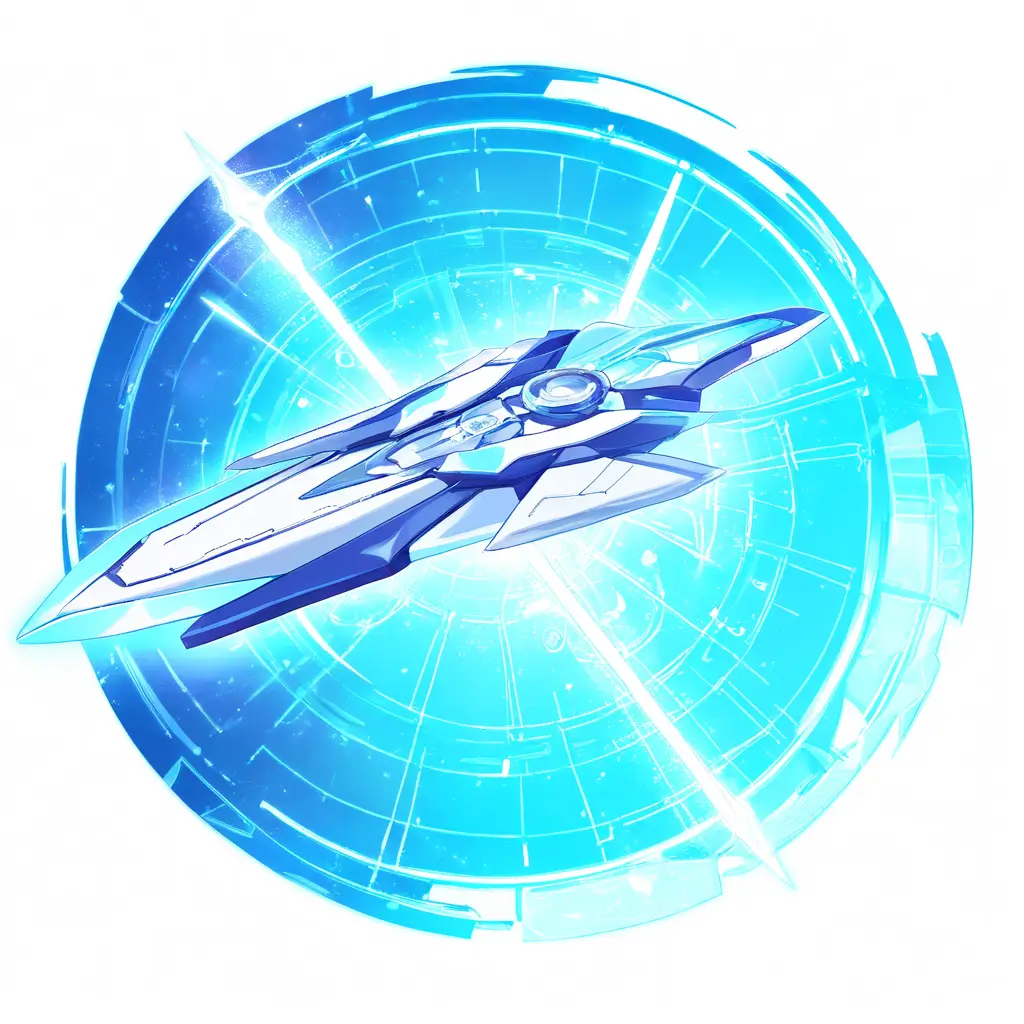
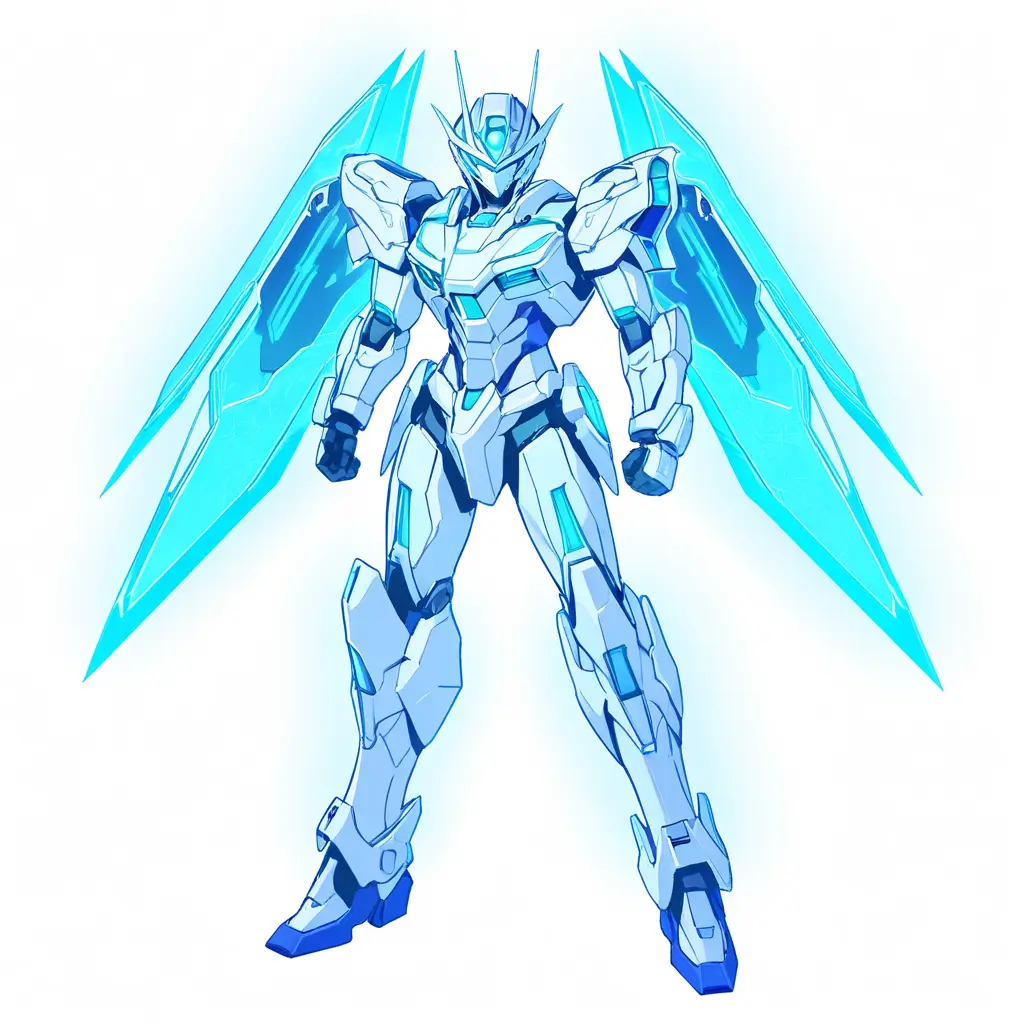
You can create an AI weapon generator for video games by designing an algorithm that combines various weapon attributes such as damage, range, rarity, and special effects. Start by defining the parameters for each weapon type and then use procedural generation techniques to mix and match these attributes for unique weapon designs. Incorporate machine learning to analyze player preferences and optimize the weapon generation based on user feedback.
To design a comprehensive AI tool for generating unique weapons in a gaming environment, follow these steps:1. Define the scope: Determine the types of weapons you want to create (e.g., melee, ranged, magical) and establish design parameters (e.g., aesthetics, functionality, rarity). 2. Research and analysis: Analyze existing weapon designs in games and gather data on popular weapon attributes, including damage types, special effects, and visual styles.3. Develop core mechanics: Create a framework for weapon creation, including how attributes will be assigned and how they will interact within the game mechanics.4. Choose AI techniques: Decide on the AI methodologies you will implement, such as procedural generation, machine learning algorithms, or generative design to create varied weapon designs.5. Build a prototype: Create a prototype tool using your chosen AI techniques, allowing for initial weapon generation and testing of the mechanics.6. Iterative testing: Conduct multiple rounds of user testing to gather feedback on the generated weapons and refine the design based on player experience and preferences.7. Implement customization options: Allow users to influence weapon design by adding customization features, enabling them to modify attributes, appearances, or abilities.8. Integrate with game engine: Ensure the tool can be easily integrated into your game engine, providing seamless access to the generated weapons during the game development process.9. Create documentation: Develop thorough documentation for users, detailing how to use the tool and best practices for generating effective and unique weapons.10. Continuous improvement: Regularly update the tool based on user feedback, game updates, and trends in game design to ensure the weapon generation remains relevant and engaging.
When designing an AI weapon generation tool for a video game, key features to include are:1. **Customization Options**: Allow players to modify various attributes of the weapons, such as damage, range, and special abilities, to foster creativity.2. **Unique Design Templates**: Provide a range of design templates or styles that can be mixed and matched, encouraging players to create distinct looks for their weapons.3. **Dynamic Gameplay Integration**: Ensure that generated weapons have unique mechanics or effects that cater to different playstyles, enhancing the overall gameplay experience.4. **Community Sharing**: Implement a feature that lets players share their custom weapons with others, fostering a community and sparking inspiration.5. **Random Generation Mode**: Include an option for randomization, allowing players to discover unexpected and exciting weapon combinations on the fly.6. **Feedback System**: Integrate a way for players to receive feedback on their creations, possibly through ratings or comments from peers, which can help refine their designs.7. **Visual Effects and Animations**: Enhance the appeal of created weapons with customizable visual effects and animations, making them feel more impactful and unique in the game.8. **Lore Integration**: Allow players to create backstories or lore for their weapons, adding depth and engagement to their creations. By incorporating these features, the tool can significantly enhance the creativity and gameplay experience for players.
When designing an AI weapon generation tool for a video game, key features to include are:1. **Customization Options**: Allow players to modify various attributes of the weapons, such as damage, range, and special abilities, to foster creativity.2. **Unique Design Templates**: Provide a range of design templates or styles that can be mixed and matched, encouraging players to create distinct looks for their weapons.3. **Dynamic Gameplay Integration**: Ensure that generated weapons have unique mechanics or effects that cater to different playstyles, enhancing the overall gameplay experience.4. **Community Sharing**: Implement a feature that lets players share their custom weapons with others, fostering a community and sparking inspiration.5. **Random Generation Mode**: Include an option for randomization, allowing players to discover unexpected and exciting weapon combinations on the fly.6. **Feedback System**: Integrate a way for players to receive feedback on their creations, possibly through ratings or comments from peers, which can help refine their designs.7. **Visual Effects and Animations**: Enhance the appeal of created weapons with customizable visual effects and animations, making them feel more impactful and unique in the game.8. **Lore Integration**: Allow players to create backstories or lore for their weapons, adding depth and engagement to their creations. By incorporating these features, the tool can significantly enhance the creativity and gameplay experience for players.