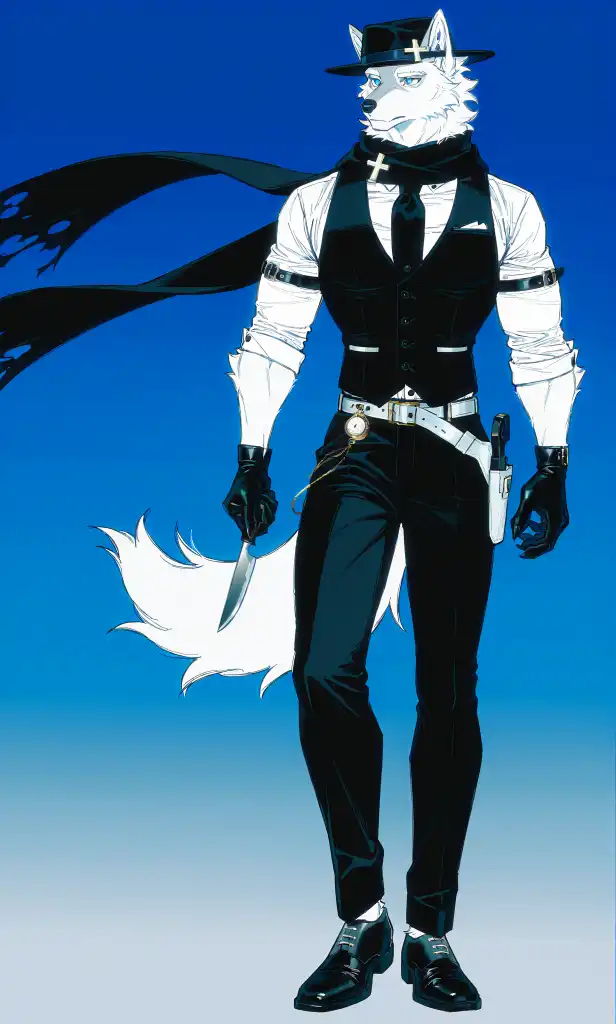
You can use AI-powered tools to generate realistic images of wolves by providing descriptive prompts or uploading reference images. The AI analyzes the input and creates lifelike representations based on learned patterns and features, resulting in striking visuals of these majestic animals.
To leverage AI for generating lifelike representations of wolves, one can use advanced image generation tools such as those offered by Pixai.art. These tools utilize deep learning algorithms and neural networks to create realistic images. Users can provide specific prompts or reference images that guide the AI in capturing intricate details, textures, and anatomical features of wolves. Additionally, adjusting parameters like style, resolution, and color palettes can enhance the output’s realism. Incorporating various artistic techniques, such as photorealism or impressionistic effects, further refines the results to meet creative needs.
To ensure the accurate depiction of wolves in AI-generated visuals using the image tool by pixai.art, consider the following strategies: 1. Provide High-Quality Reference Images: Use a diverse set of clear, high-resolution photographs of wolves that showcase their various breeds, habitats, and behaviors.2. Detailed Descriptions: Input specific characteristics such as fur texture, color variations, and physical features to guide the AI in generating more realistic visuals.3. Contextual Elements: Include information about the environment in which wolves are typically found, such as forests or tundra, to enhance the setting of the imagery.4. Artistic Styles: Experiment with different artistic styles within the tool to see which best captures the essence of wolves, whether you prefer realism or stylization.5. Iterative Refinement: Generate multiple versions and refine your inputs based on the results. This iterative process can help hone in on the most accurate depiction.6. Community Insights: Engage with an online community or forums dedicated to wildlife art for feedback on your generated images and tips for improvement. These strategies can help achieve a more authentic representation of wolves in any AI-generated visuals.
To ensure the accurate depiction of wolves in AI-generated visuals using the image tool by pixai.art, consider the following strategies: 1. Provide High-Quality Reference Images: Use a diverse set of clear, high-resolution photographs of wolves that showcase their various breeds, habitats, and behaviors.2. Detailed Descriptions: Input specific characteristics such as fur texture, color variations, and physical features to guide the AI in generating more realistic visuals.3. Contextual Elements: Include information about the environment in which wolves are typically found, such as forests or tundra, to enhance the setting of the imagery.4. Artistic Styles: Experiment with different artistic styles within the tool to see which best captures the essence of wolves, whether you prefer realism or stylization.5. Iterative Refinement: Generate multiple versions and refine your inputs based on the results. This iterative process can help hone in on the most accurate depiction.6. Community Insights: Engage with an online community or forums dedicated to wildlife art for feedback on your generated images and tips for improvement. These strategies can help achieve a more authentic representation of wolves in any AI-generated visuals.