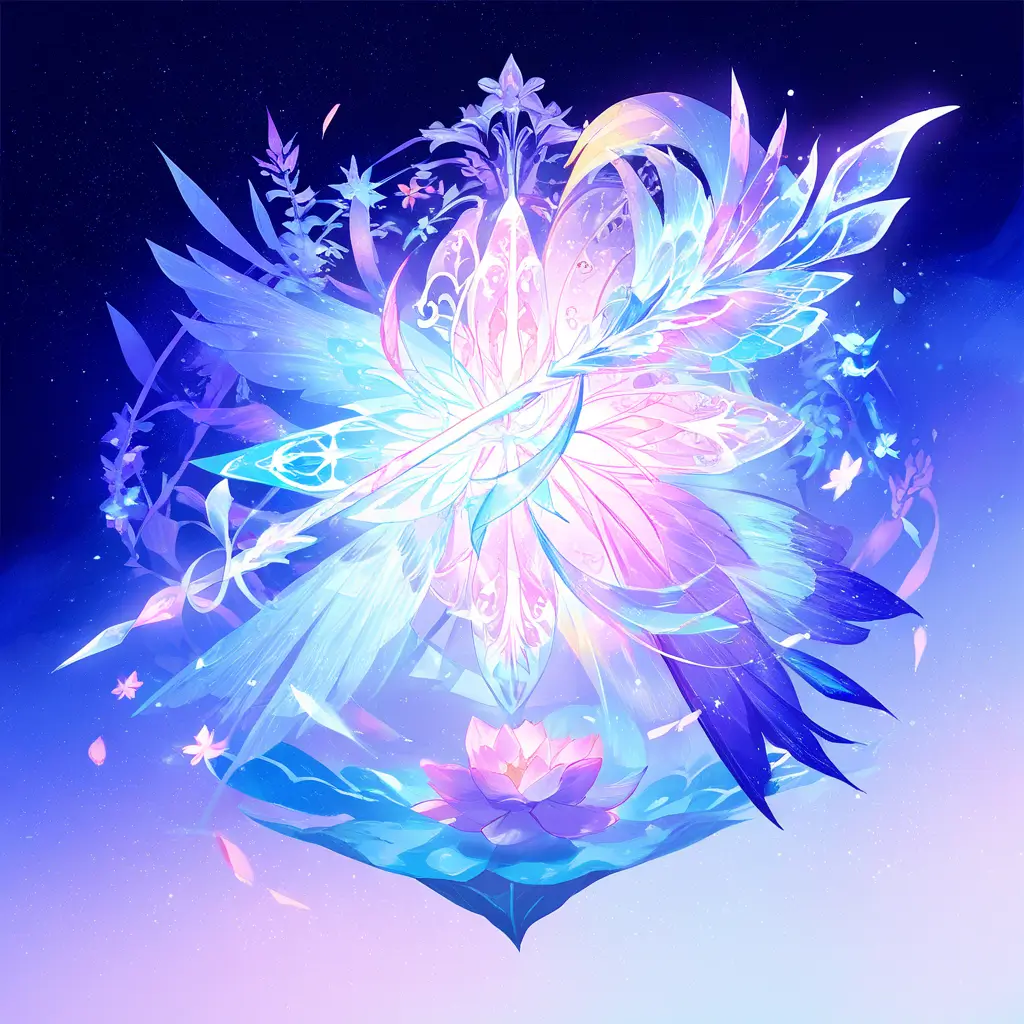
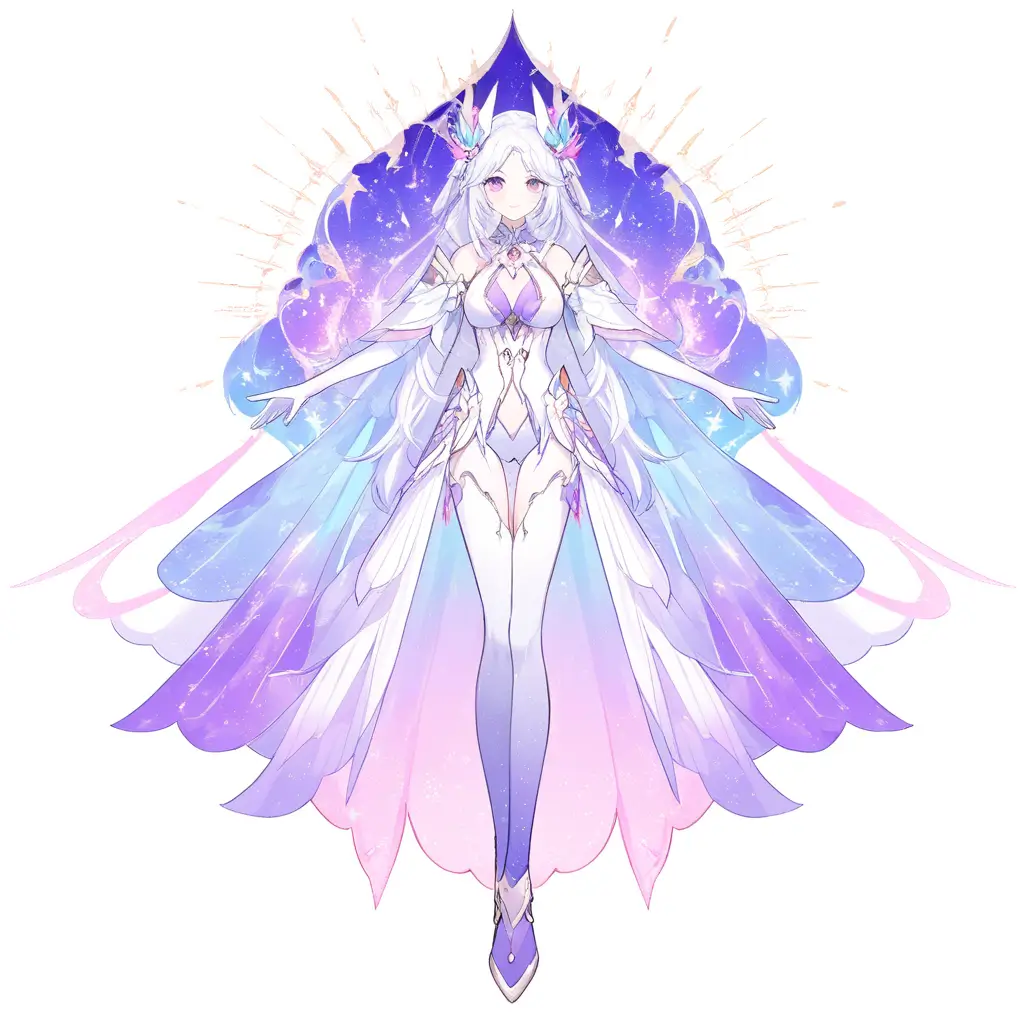
You can create unique fantasy characters with our AI generator by entering a detailed description of the character you envision, including traits like appearance, personality, and backstory. The AI will then generate a one-of-a-kind character based on your input.
To enhance the storytelling potential of fantasy characters generated by an AI tool like Pixai.art, you can employ the following techniques:1. **Character Backstories**: Develop detailed backstories for your characters. Explore their origins, motivations, and pivotal life events that shape their personalities.2. **Visual Consistency**: Ensure that the visual design of your characters is consistent across different scenes or contexts to maintain believability and engagement.3. **Emotional Expressions**: Use varied emotional expressions in your character designs to convey complex feelings and reactions, enriching the narrative.4. **Dynamic Poses**: Experiment with dynamic poses that reflect your characters’ personalities, helping to communicate traits and emotions through body language.5. **Environmental Context**: Place characters in settings that enhance their stories, using backgrounds and props to complement their narratives and offer visual storytelling cues.6. **Interaction with Other Characters**: Illustrate interactions and relationships with other characters, showcasing conflicts, alliances, or emotional bonds that drive the story.7. **Symbolic Elements**: Incorporate symbolic elements in the design, such as colors or motifs that represent the character’s journey or personal themes.8. **Narrative Arcs**: Consider the character’s role in the overall narrative arc, ensuring their designs reflect growth or change throughout the story.By blending these techniques with the AI-generated designs, you can create compelling and immersive fantasy narratives.
To ensure the consistency and cohesion of AI-generated fantasy characters throughout a story, you can utilize the following methods: 1. Develop Detailed Character Profiles: Create comprehensive profiles for each character, outlining their backstory, personality traits, motivations, and relationships. This serves as a reference to maintain consistency in their portrayal.2. Use Visual References: Use tools like pixai.art to generate and save visual representations of each character. This helps in maintaining a consistent appearance, style, and color scheme throughout the story.3. Establish Character Guidelines: Define specific traits or attributes that should remain constant in every depiction of the character. This includes their clothing style, physical features, and even mannerisms.4. Keep a Consistent Tone and Style: Ensure that the narrative tone and style remain uniform. This can help in making characters feel cohesive and relatable, even if they are generated by AI.5. Iterative Feedback Loop: Regularly review and revise character depictions, gathering feedback from others to ensure that any changes remain aligned with the established character profiles.6. Maintain Character Arcs: Plan character arcs and development in advance. Ensure that changes in characters are logical and correspond with their established traits and motivations. Using these methods, you can create a more cohesive and engaging narrative that keeps AI-generated characters aligned with the story’s overall theme and tone.
To ensure the consistency and cohesion of AI-generated fantasy characters throughout a story, you can utilize the following methods: 1. Develop Detailed Character Profiles: Create comprehensive profiles for each character, outlining their backstory, personality traits, motivations, and relationships. This serves as a reference to maintain consistency in their portrayal.2. Use Visual References: Use tools like pixai.art to generate and save visual representations of each character. This helps in maintaining a consistent appearance, style, and color scheme throughout the story.3. Establish Character Guidelines: Define specific traits or attributes that should remain constant in every depiction of the character. This includes their clothing style, physical features, and even mannerisms.4. Keep a Consistent Tone and Style: Ensure that the narrative tone and style remain uniform. This can help in making characters feel cohesive and relatable, even if they are generated by AI.5. Iterative Feedback Loop: Regularly review and revise character depictions, gathering feedback from others to ensure that any changes remain aligned with the established character profiles.6. Maintain Character Arcs: Plan character arcs and development in advance. Ensure that changes in characters are logical and correspond with their established traits and motivations. Using these methods, you can create a more cohesive and engaging narrative that keeps AI-generated characters aligned with the story’s overall theme and tone.