Get in touch
Close

Contacts

USA, New York - 1060
Str. First Avenue 1

800 100 975 20 34
+ (123) 1800-234-5678

neuros@mail.co

Fusion Generator

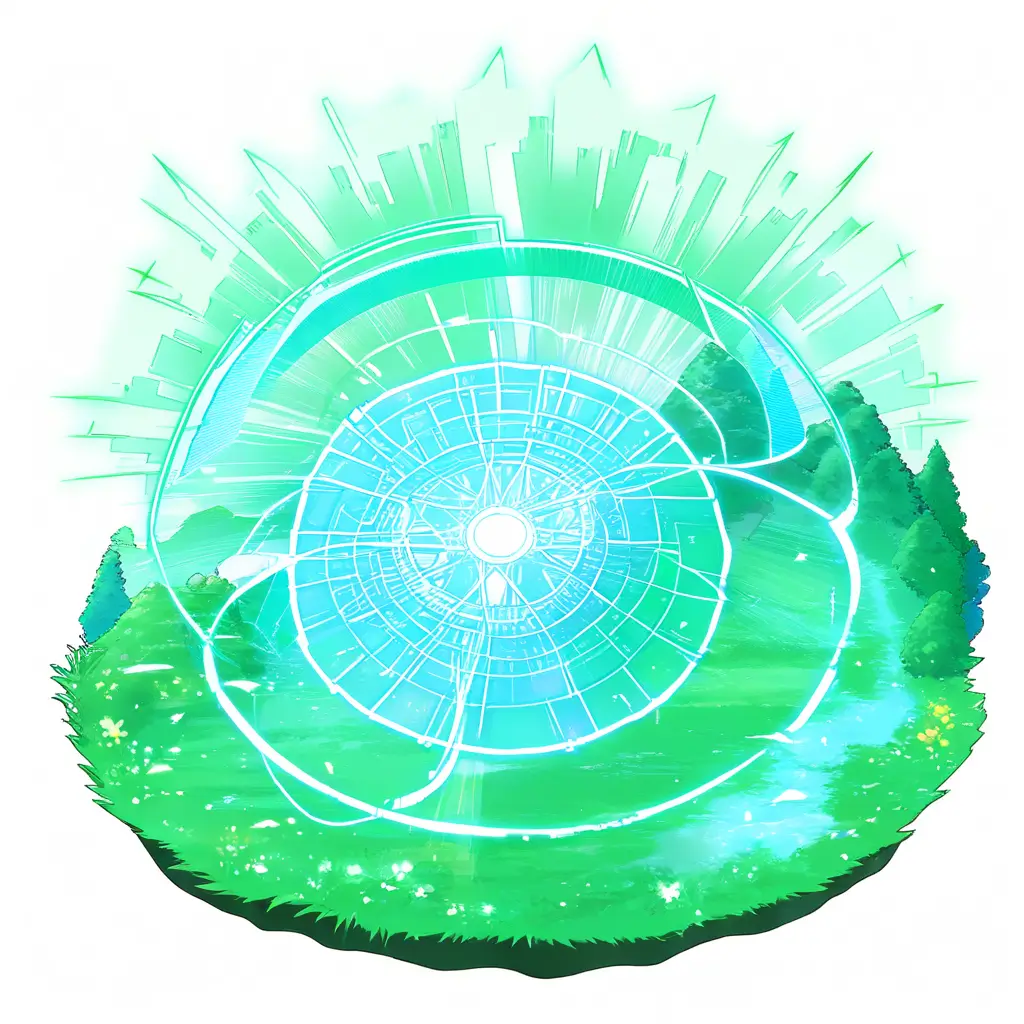
Create unique and imaginative art pieces effortlessly with PixAI.ART’s Fusion Generator. Combine different styles and elements to bring your creative visions to life.

Fusion Generator

Create unique and imaginative art pieces effortlessly with PixAI.ART’s Fusion Generator. Combine different styles and elements to bring your creative visions to life.
Pixai

aboutWhat is a fusion generator?

A fusion generator is a device that produces energy through the process of nuclear fusion, where atomic nuclei combine to form a heavier nucleus, releasing a significant amount of energy in the process. Utilizing advanced technologies, such generators aim to replicate the energy production found in stars, offering the potential for a powerful, sustainable, and clean energy source. Fusion generators could revolutionize energy production by providing a virtually limitless supply of energy with minimal environmental impact, paving the way for a future that relies less on fossil fuels.

featuresHow Does a Fusion Generator Work?

A fusion generator is a device that produces energy by fusing atomic nuclei, typically isotopes of hydrogen like deuterium and tritium, under extreme heat and pressure. This process releases a significant amount of energy, similar to the reactions occurring in the sun. In a fusion generator, magnetic confinement or inertial confinement methods are used to maintain the necessary conditions for fusion to take place. The resulting energy can then be harnessed to generate electricity, offering a potentially sustainable and clean source of power.

The Technology Behind AI Art

Fusion generators utilize advanced technology to mimic the processes that power the sun. This includes the use of magnetic confinement and inertial confinement to achieve the extreme temperatures and pressures necessary for nuclear fusion. By fusing light atomic nuclei like hydrogen isotopes, they produce vast amounts of energy. The process is supported by sophisticated diagnostic systems and superconducting magnets to maintain stability and control within the reactor.
01
Role of Fusion Generators in Energy Production Fusion generators leverage cutting-edge technology to replicate the sun’s energy-producing processes through magnetic and inertial confinement. By fusing light atomic nuclei such as hydrogen isotopes, they generate substantial energy while employing advanced diagnostic systems and superconducting magnets for stability and control, showcasing a promising approach to clean energy.
02
Advantages of Fusion Generators in Sustainable Energy Fusion generators represent a revolutionary advancement in sustainable energy solutions, offering numerous benefits that highlight their potential impact on the energy sector. Key advantages include:- **Clean Energy Production**: Generates energy without producing harmful emissions or long-lived radioactive waste.- **Abundant Fuel Supply**: Utilizes isotopes like deuterium and tritium, which are readily available in seawater and lithium, ensuring a sustainable fuel source.- **High Energy Density**: Produces significantly more energy per unit mass than conventional fossil fuels or nuclear fission.- **Safe Operating Conditions**: Inherent safety features reduce the risk of catastrophic failures associated with traditional nuclear reactors.

Frequently Asked Questions

A fusion generator works by mimicking the processes that power the sun, where hydrogen nuclei combine to form helium, releasing vast amounts of energy in the process. In a fusion generator, isotopes of hydrogen, like deuterium and tritium, are heated to extremely high temperatures, creating a plasma state. Magnetic fields or inertial confinement techniques are then used to contain and compress the plasma, allowing the fusion reactions to occur. The energy released from these reactions can then be harnessed to produce electricity, offering a potential source of clean and abundant energy.
A fusion generator operates based on the principles of nuclear fusion, where light atomic nuclei combine under extreme temperature and pressure conditions to form heavier nuclei. This process releases a substantial amount of energy, primarily in the form of heat. The key principles include:1. **Thermonuclear Reactions:** Fusion occurs when nuclei overcome their electrostatic repulsion due to high temperatures, allowing them to collide and merge. 2. **Plasma State:** The fuel for fusion reactions, typically isotopes of hydrogen like deuterium and tritium, is heated to create plasma—a state of matter where electrons are separated from nuclei.3. **Magnetic Confinement:** Strong magnetic fields are used to contain and stabilize the hot plasma, preventing it from coming into contact with the reactor walls.4. **Energy Release:** When fusion occurs, the resultant mass is less than the sum of the original masses, and this mass difference is converted into energy according to Einstein’s equation, E=mc².5. **Sustainable Reaction:** The aim is to achieve a self-sustaining reaction where the energy released from fusion reactions heats the plasma, maintaining the conditions necessary for further reactions without the need for continuous external heating. Understanding these principles is crucial for developing practical and efficient fusion power generation technologies.
Pixai.art is exploring various innovations to enhance the efficiency and stability of fusion reactions in generators. Key areas of focus include advanced superconducting materials to improve magnetic confinement, novel laser technologies for more precise ignition methods, and improved plasma control techniques to prolong stability during reactions. Additionally, researchers are investigating the use of machine learning to optimize fusion parameters in real-time, which could lead to significant advancements in the performance of fusion energy systems.

©2025. All rights reserved.