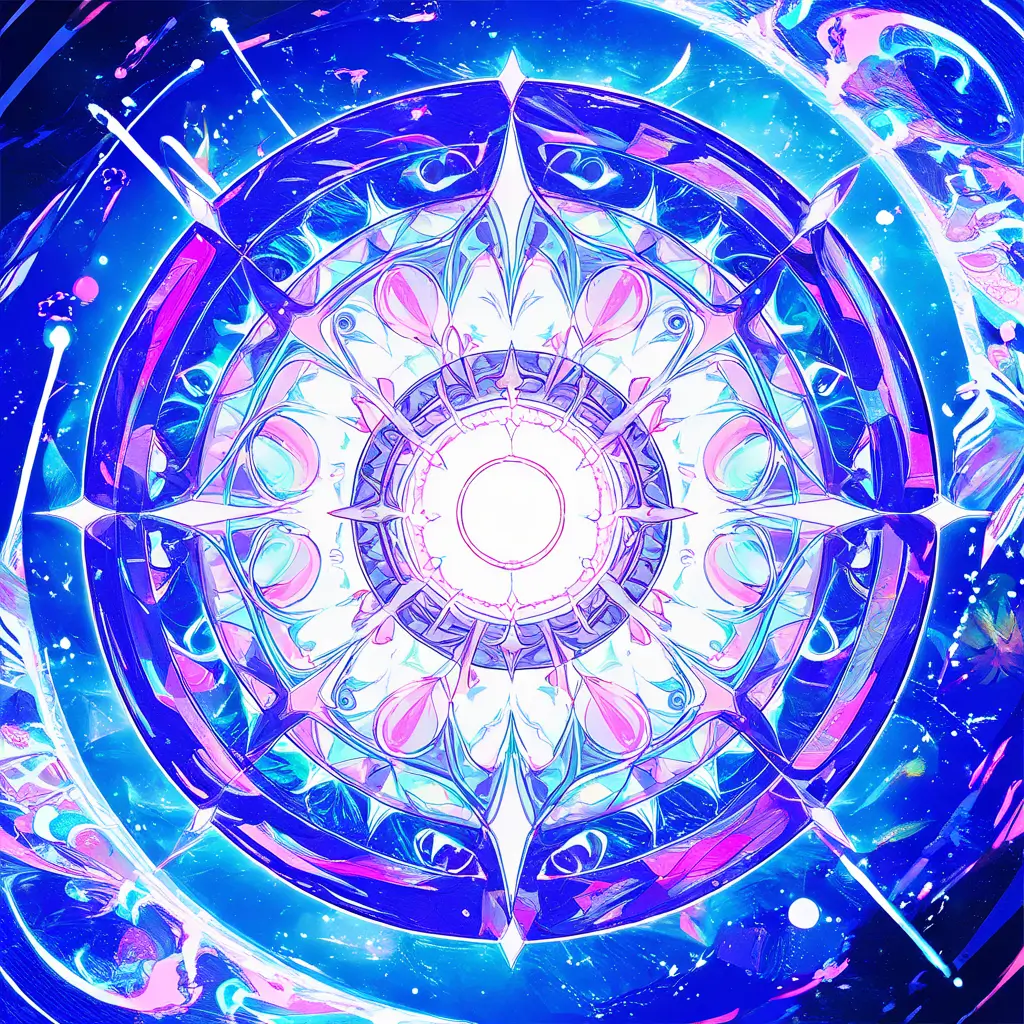
You can create psychedelic AI art using machine learning techniques by utilizing specialized algorithms and models designed for artistic style transfer or generative art. Start by selecting a machine learning framework, such as TensorFlow or PyTorch. Then, you can gather a dataset of psychedelic art for training. Implement techniques like neural style transfer or GANs (Generative Adversarial Networks) to generate new images based on your inputs. By experimenting with different parameters and styles, you’ll be able to produce unique and mesmerizing psychedelic artworks.
To generate trippy AI artwork using machine learning algorithms, you can utilize techniques such as style transfer, which involves applying the artistic style of one image to another while retaining its original content. Additionally, experimenting with generative adversarial networks (GANs) can create unique and surreal visuals by allowing two neural networks to compete, resulting in intricate designs. Other methods include using variational autoencoders (VAEs) for exploring latent spaces to produce novel patterns and colors. Don’t forget to use tools like pixai.art, which offers user-friendly interfaces and various adjustable parameters to enhance your creative process.
To design mesmerizing AI art pieces using advanced neural networks, you can implement the following innovative methods: 1. Experiment with different neural network architectures, such as GANs (Generative Adversarial Networks) for generating unique images, or VAEs (Variational Autoencoders) for more controlled creative outputs.2. Utilize style transfer techniques to blend popular art styles with your original creations, allowing for a fusion of aesthetics that enhances visual appeal.3. Incorporate interactive elements where users can influence the direction of the artwork through their inputs, creating a collaborative art experience.4. Leverage reinforcement learning to train AI models that adapt and evolve based on user feedback, resulting in increasingly refined and captivating artwork.5. Explore the use of high-resolution datasets to train your models, ensuring your generated art possesses finer details and complexities.6. Integrate multi-modal learning by combining text prompts with visual inputs, enabling the generation of art that reflects themes, emotions, or concepts specified by users.By applying these methods, you can push the boundaries of AI art creation and develop stunning pieces that captivate audiences.
To design mesmerizing AI art pieces using advanced neural networks, you can implement the following innovative methods: 1. Experiment with different neural network architectures, such as GANs (Generative Adversarial Networks) for generating unique images, or VAEs (Variational Autoencoders) for more controlled creative outputs.2. Utilize style transfer techniques to blend popular art styles with your original creations, allowing for a fusion of aesthetics that enhances visual appeal.3. Incorporate interactive elements where users can influence the direction of the artwork through their inputs, creating a collaborative art experience.4. Leverage reinforcement learning to train AI models that adapt and evolve based on user feedback, resulting in increasingly refined and captivating artwork.5. Explore the use of high-resolution datasets to train your models, ensuring your generated art possesses finer details and complexities.6. Integrate multi-modal learning by combining text prompts with visual inputs, enabling the generation of art that reflects themes, emotions, or concepts specified by users.By applying these methods, you can push the boundaries of AI art creation and develop stunning pieces that captivate audiences.