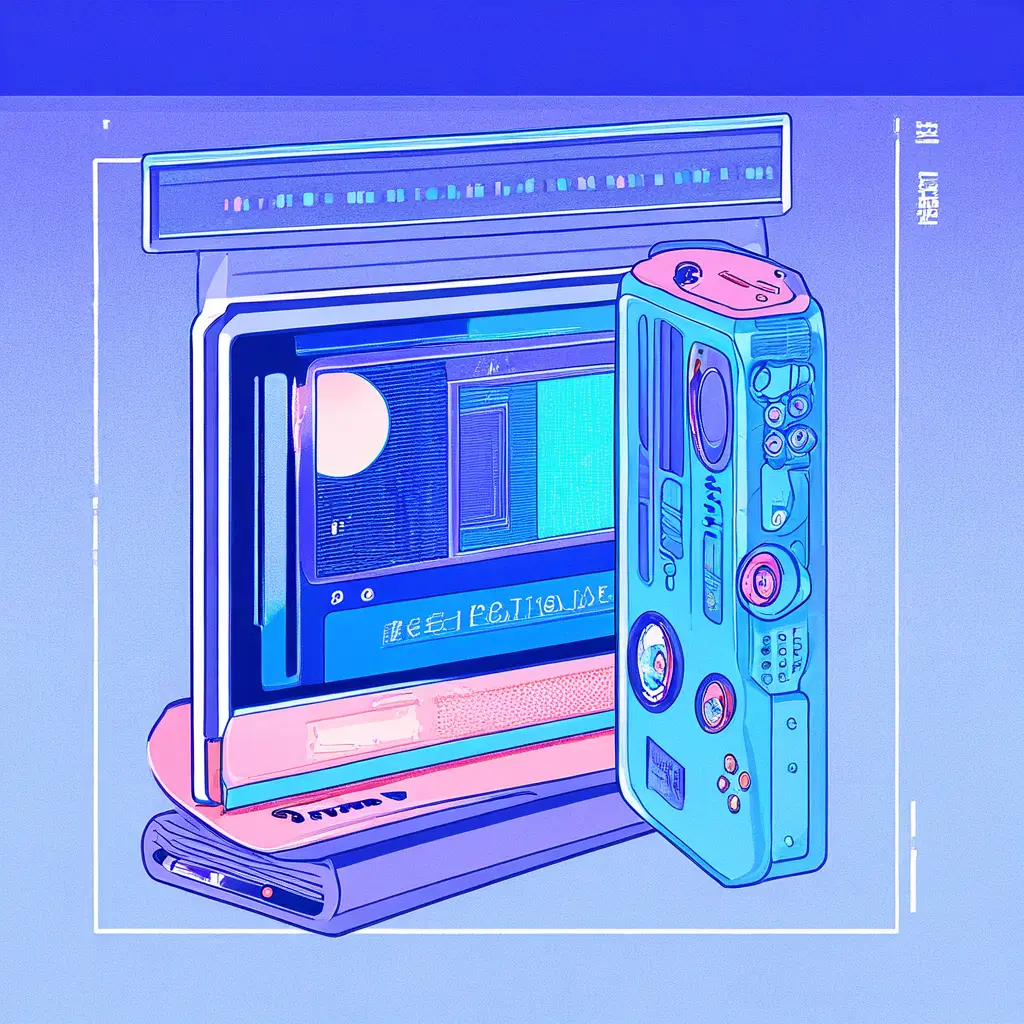
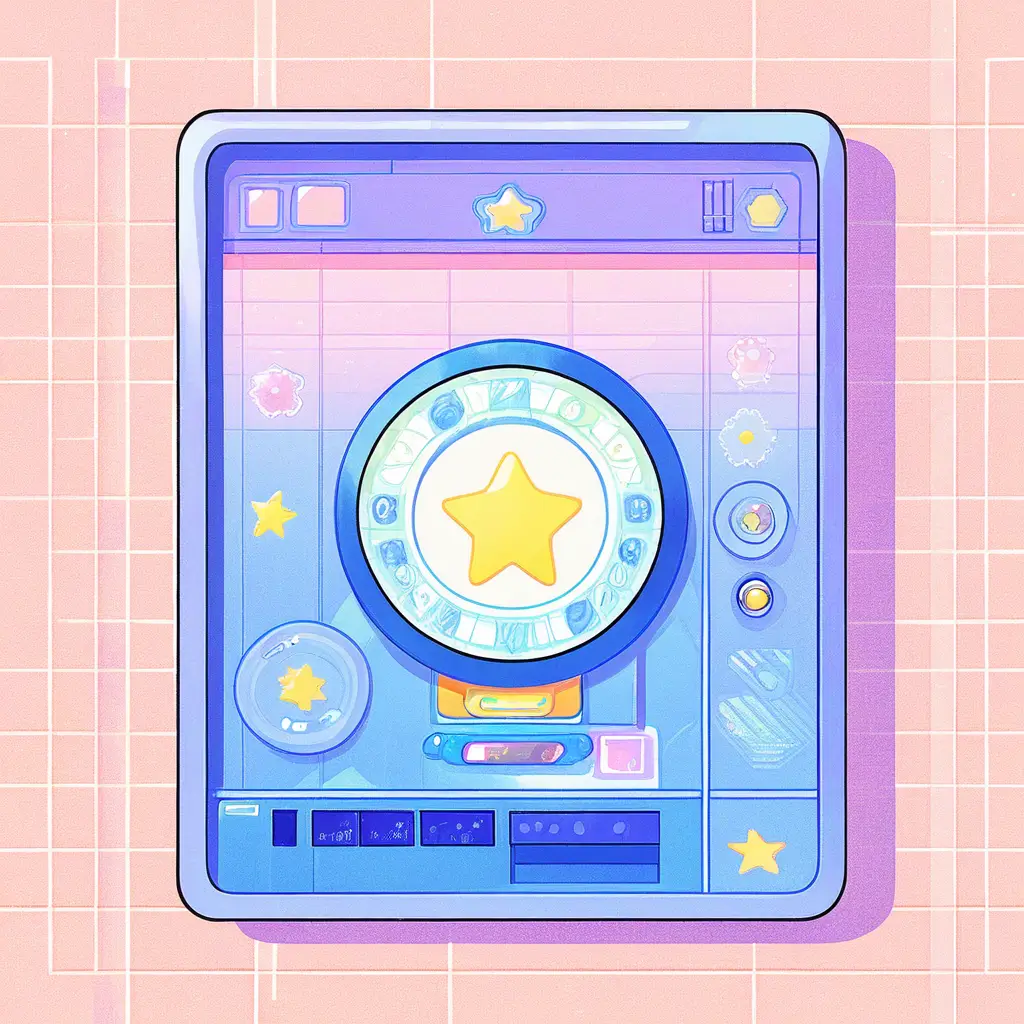
You can create vintage-style art using our AI art generator by simply uploading a photo or entering a description that captures the essence of vintage aesthetics. The AI will analyze your input and apply techniques that evoke the charm and nostalgia of vintage art styles, giving your work a timeless appeal.
To generate digital artwork that mimics a classic aesthetic through AI using the PixAI tool, you can utilize various techniques, including:1. Style Transfer: Apply the visual characteristics of famous classic paintings to your digital artwork by using style transfer algorithms that blend content images with the styles of renowned artists.2. Color Palette Selection: Choose color palettes that are often found in classic art, such as muted tones and earth colors, to give your artwork an authentic feel.3. Texture Overlay: Incorporate textures that resemble traditional mediums like oil paint, watercolor, or canvas to add depth and authenticity to your pieces.4. Historical Themes: Generate content that reflects historical themes or subjects commonly found in classic art, such as portraits, landscapes, or still life.5. Fine-tuning AI Models: Use customizable settings in the AI tool to adjust parameters like brush stroke styles, detail levels, and composition ratios to achieve a more classic look.6. Iterative Refinement: Create multiple versions of artwork using different techniques and refine the outputs iteratively to hone in on a style that resonates with classic aesthetics.By experimenting with these techniques in PixAI, you can successfully create digital artwork that channels the essence of classic art while leveraging cutting-edge AI capabilities.
To utilize an AI art generator like PixAI for producing artwork that reflects the sophistication of traditional artistic techniques, consider the following approaches: 1. **Study Traditional Techniques**: Familiarize yourself with classical art styles and techniques, such as chiaroscuro, perspective, and brushwork. This knowledge can help guide your prompts and adjustments in the AI tool.2. **Use Specific Prompts**: Craft detailed prompts that describe the desired style, medium, and elements you want to incorporate, using terminology related to traditional art forms (e.g., “oil painting,” “watercolor,” “Impressionism”).3. **Experiment with Styles**: Explore different presets and filters in the AI tool that mimic the characteristics of traditional art, adjusting parameters to refine the outcome.4. **Iterate and Refine**: Generate multiple variations of your artwork and select the elements from different outputs that best represent the sophistication you seek, combining them in post-editing.5. **Incorporate Textures**: Add layers of texture that emulate canvas, paper, or other traditional materials to enhance the overall appearance and depth of the artwork.6. **Seek Feedback**: Share your creations with art communities or forums to gather insights and suggestions that can help you improve your results.By integrating these strategies, you can create AI-generated art that resonates with the elegance and intricacy of traditional artistic expressions.
To utilize an AI art generator like PixAI for producing artwork that reflects the sophistication of traditional artistic techniques, consider the following approaches: 1. **Study Traditional Techniques**: Familiarize yourself with classical art styles and techniques, such as chiaroscuro, perspective, and brushwork. This knowledge can help guide your prompts and adjustments in the AI tool.2. **Use Specific Prompts**: Craft detailed prompts that describe the desired style, medium, and elements you want to incorporate, using terminology related to traditional art forms (e.g., “oil painting,” “watercolor,” “Impressionism”).3. **Experiment with Styles**: Explore different presets and filters in the AI tool that mimic the characteristics of traditional art, adjusting parameters to refine the outcome.4. **Iterate and Refine**: Generate multiple variations of your artwork and select the elements from different outputs that best represent the sophistication you seek, combining them in post-editing.5. **Incorporate Textures**: Add layers of texture that emulate canvas, paper, or other traditional materials to enhance the overall appearance and depth of the artwork.6. **Seek Feedback**: Share your creations with art communities or forums to gather insights and suggestions that can help you improve your results.By integrating these strategies, you can create AI-generated art that resonates with the elegance and intricacy of traditional artistic expressions.