moe, cute, cute boy, boy, soft style, moe eyes, fluffy hair, anime style, clean lineart, expressive lineart, polished anime rendering, high quality, masterpiece, yami kawaii, menhera, 2000s anime style, retro anime aesthetic, Anime, moe, 2000s moe-style, heisei retro, moe, cute, cute boy, boy, soft style, moe eyes, fluffy hair, Purple hair, long hair, 1boy, boy, flowing hair, fluffy hair, glasses, teardrop-framed glasses, cute cardigan, soft boy, cute clothes, fluffy clothes, cute expression, shy, shy boy, soft boy, gloves, fluffy gloves, fluffy clothes, fluffymoe, cute, cute boy, boy, soft style, moe eyes, fluffy hairoujiboyss55
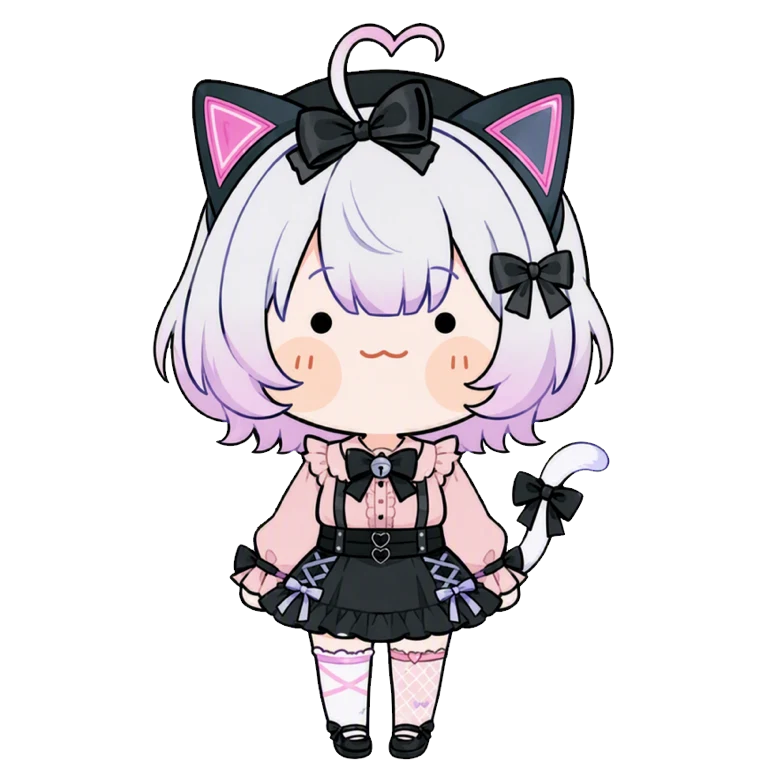
1girl, masterpiece, best quality, shiny hair, attractive eyes, pink undertone, semi-realistic style, muted soft colors, sketchy details, sharp lineart, subtle shading, expressive eyes, stylized anime illustration, alt-kawaii fashion, oversized accessories, glossy shading, bold graphic symbols, pastel pop palette, doll-like proportions, clean lineart, decorative background motifs, modern J-fashion vibe, overaccessorized, black hair, twin tails, pink inner color, hime cut, thin troubled eyebrows, pink eyes, long eyelashes, pink frills, lace, bunny outfitどわー66
black hair, shota, boy, pale color, flat shading, delicate illustration, Clean outline, masterpiece, smooth shading, dreamy effect lighting, 3D-like, moe eyes, (half-lidded moe eyes:1.4), (sleepy tareme eyes:1.35), (rounded trapezoid eyes:1.3), moe, cute, cute boy, boy, soft style, moe eyes, fluffy hairくぅはく🩹🌀️33
Generate a comprehensive character concept breakdown image based on Image 1. The image must feature the full-body character design at the center, surrounded by detailed elements such as layers of clothing, different facial expressions, core items, material close-ups, and everyday personal items that showcase the character's lifestyle. The character has the same pose as the one in Image 1. Visual Specifications: 1. Composition Layout: - Center Position: Place the character's full-body or primary dynamic pose as the visual anchor. - Surrounding Position: Neatly arrange the deconstructed elements around the central character. - Visual Guide: Use hand-drawn arrows or guide lines to connect the surrounding elements to the corresponding part of the character (e.g., a bag connected to the hand). 2. Deconstruction Details – Key Iterative Areas: - Clothing Layers: Break down the character's outfit into individual pieces. If layered, show the state of the inner layers when outer layers (like jackets) are removed. - New Addition – Underwear Deconstruction: Independently display the character's innerwear, focusing on design and material details. - Expression Set: In corners, draw 3-4 different headshots showcasing different emotional expressions. - Material Close-ups: Select 1-2 key areas for zoomed-in material textures. - New Addition – Item Texture Close-ups: Add depictions of small items, focusing on their textures. - Associated Items: This section goes beyond large props and includes "lifestyle fragments": - Handbags and Contents: Illustrate the character's everyday bag or clutch, "opened" to show scattered contents. - Cosmetics & Care: Show the character's common makeup and skincare products. - Private Lifestyle Items: Visualize personal items that reflect the character's hidden side. Depending on the character's personality, this could include a private diary, medicine/supplement box, vape, or even more intimate objects. 3. Style & Annotations: - Art Style: Maintain a high-quality 2D illustration style or conceptual sketch style with clean, sharp lines. - Background Design: Simple background should match the character's style, atmosphere, and environment, and align with the overall design. - Text Annotations: Simulate handwritten notes next to each deconstructed element, briefly describing materials or brand/model hints. Execution Logic: When the user provides an image or description: 1. Analyze the character's core features, outfit style, and potential personality. 2. Extract the primary deconstructible elements (e.g., outerwear, shoes, major expressions). 3. Brainstorm and design secondary depth elements (e.g., what style of underwear would she wear? What lipstick would be in her bag?). 4. Generate an image that combines all these elements, ensuring accurate perspective, cohesive lighting, and clear annotations. 5. Use this language: Japanese 夏目秋等44